Reach first, then ground truth
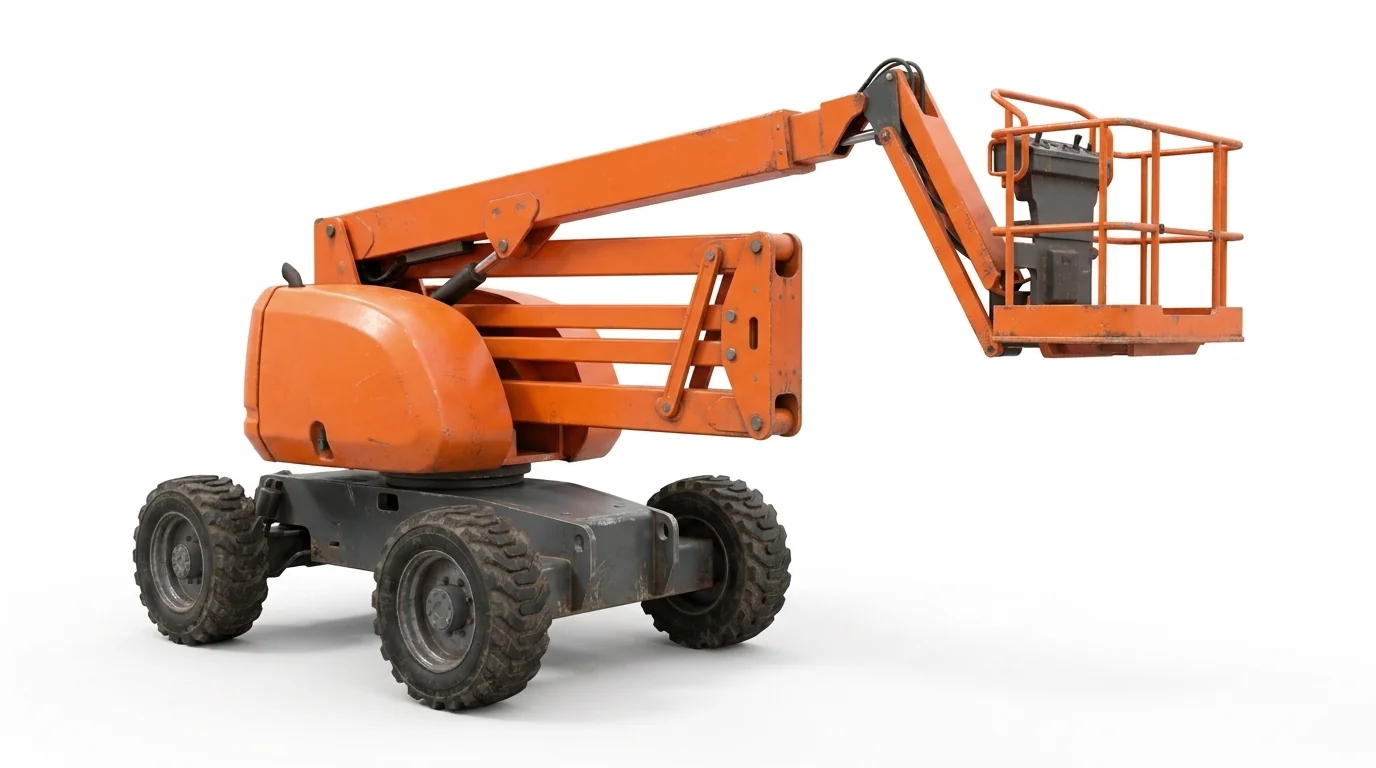
Measure the horizontal distance from the planned machine position to the work, then add the vertical height. Telescopic booms excel when nothing interrupts that line. If an obstruction blocks the path, compare against /articulating-boom-lift-rental/ for up-and-over geometry.
West-to-east surface shift
Western job sites near the hill country edge can combine slopes, ledge rock, and irregular cuts, favoring rough-terrain 4WD units with higher ground clearance. East of the divide, flatter clay soils and prepared subgrades on industrial pads often accept standard rough-terrain tires; inside finished areas, slab-rated units with non-marking tires may be required.
Downtown approaches and swing radius
Even with clear facade access, downtown corridors can pinch the approach with lane closures, curb heights, and limited swing room. Confirm: - Setback from the structure to allow full boom articulation without contacting adjacent buildings - Turning radius from delivery point to pad - Overhead hazards like power runs or signage that can prevent safe telescoping
Wind exposure and duty planning
Open exposures on high elevations and long reaches put more load on the platform. Actual conditions, the selected unit’s instructions, and site procedures govern what’s acceptable. Plan working windows to match typical afternoon gusts and heat effects on hydraulics.
When a different lift is better
- Need to reach behind a parapet or over equipment: /articulating-boom-lift-rental/
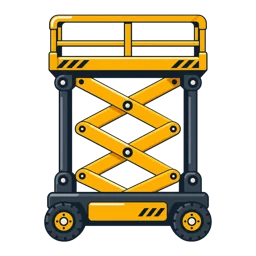
- Vertical indoor work with smooth floors: /electric-scissor-lift-rental/ or /vertical-mast-lift-rental/
Information to have ready at (512) 862-9765
- Working height and horizontal stand-off distance
- Route description from drop to pad (grade, soil, slab)
- Minimum gate width and tightest turn
- Anticipated wind exposure and schedule windows
- Power requirements for nearby trades if night work is planned; see /generators-light-towers-rental/