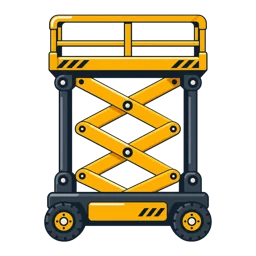
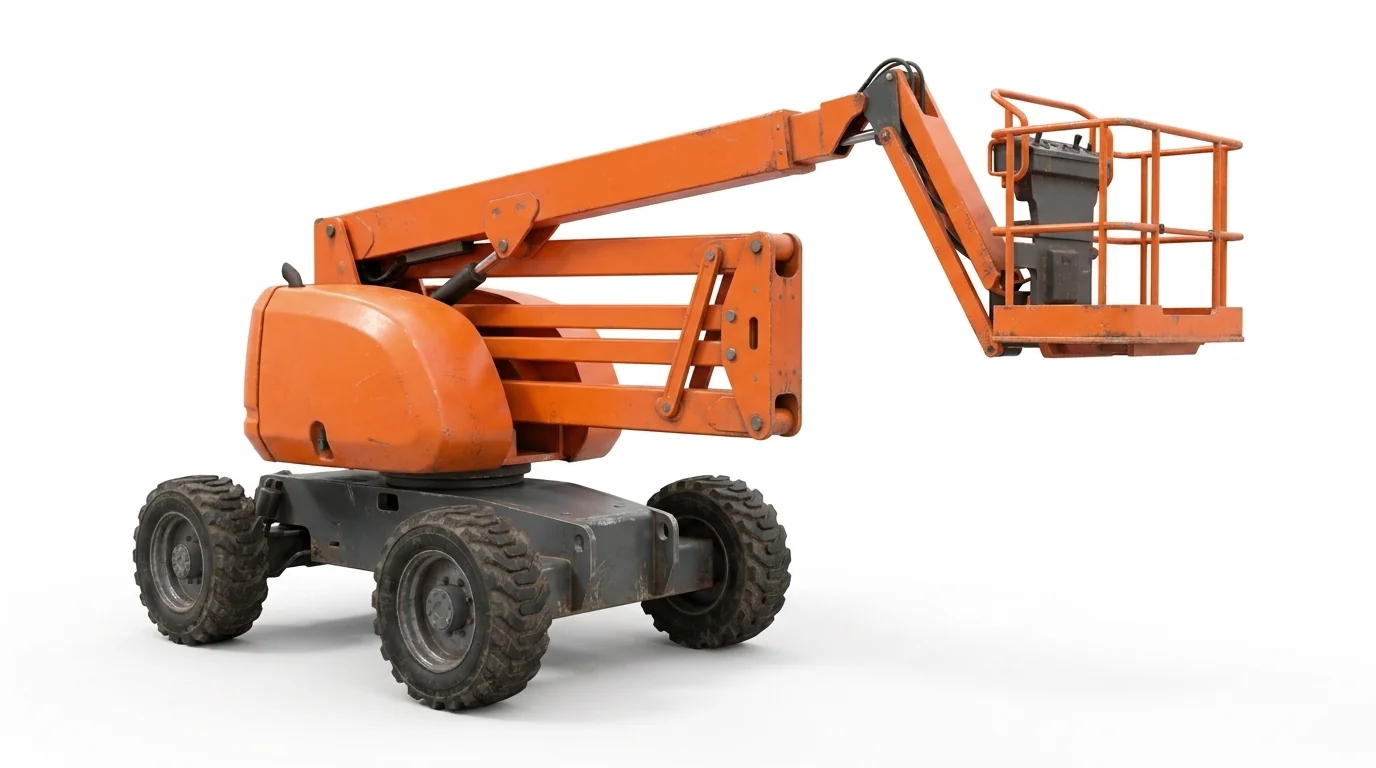
Start with base position
- Can the machine sit directly under the task on a finished slab?
- Is the approach across rock, slopes, or unfinished pads?
- Are there obstacles—canopies, equipment, setbacks—between the base and the work edge?
These questions point to scissor versus boom and to indoor versus outdoor classes.
Austin conditions that influence selection
The geological divide to the west brings sloped, rocky approaches that favor rough-terrain platforms and 4WD. Flatter interior corridors and distribution buildings in other parts of town lean toward electric, slab-rated scissors. Summer heat can impact hydraulic and battery performance during extended outdoor work, so scheduling and staging play into uptime.
Scissor versus boom at a glance
- Scissor lifts: vertical access from below with larger deck space; best on smooth slabs or, in rough-terrain versions, on compacted or rocky ground when vertical access is feasible
- Articulating booms: up-and-over reach around obstacles and into courtyards or set-back façades
- Telescopic booms: longer straight outreach for open sites and high façades where clear swing is available
Compare scissor paths: /electric-scissor-lift-rental/ and /rough-terrain-scissor-lift-rental/ Explore boom options: /boom-lift-rental/
Downtown and facility access patterns
Taller cores and interior fit-outs often require compact machines that pass through freight corridors and elevators. Exterior work near changes in grade may need stabilization room or outreach to clear retaining features.
Actual conditions, the selected unit’s instructions, and site procedures govern any elevated work.
Next steps by task
- Straight-up interior maintenance: /electric-scissor-lift-rental/
- Exterior vertical access on uneven ground: /rough-terrain-scissor-lift-rental/
- Over-obstacle façade or yard work: /boom-lift-rental/