Define the obstacle and landing zone
- What must the boom clear—parapets, equipment yards, canopies, or setbacks?
- How far from the base can you stage without blocking traffic or loading areas?
- What ground conditions exist between access point and work position?
These answers set priority between articulation, horizontal reach, platform capacity, and machine width.
Articulating versus telescopic in Austin
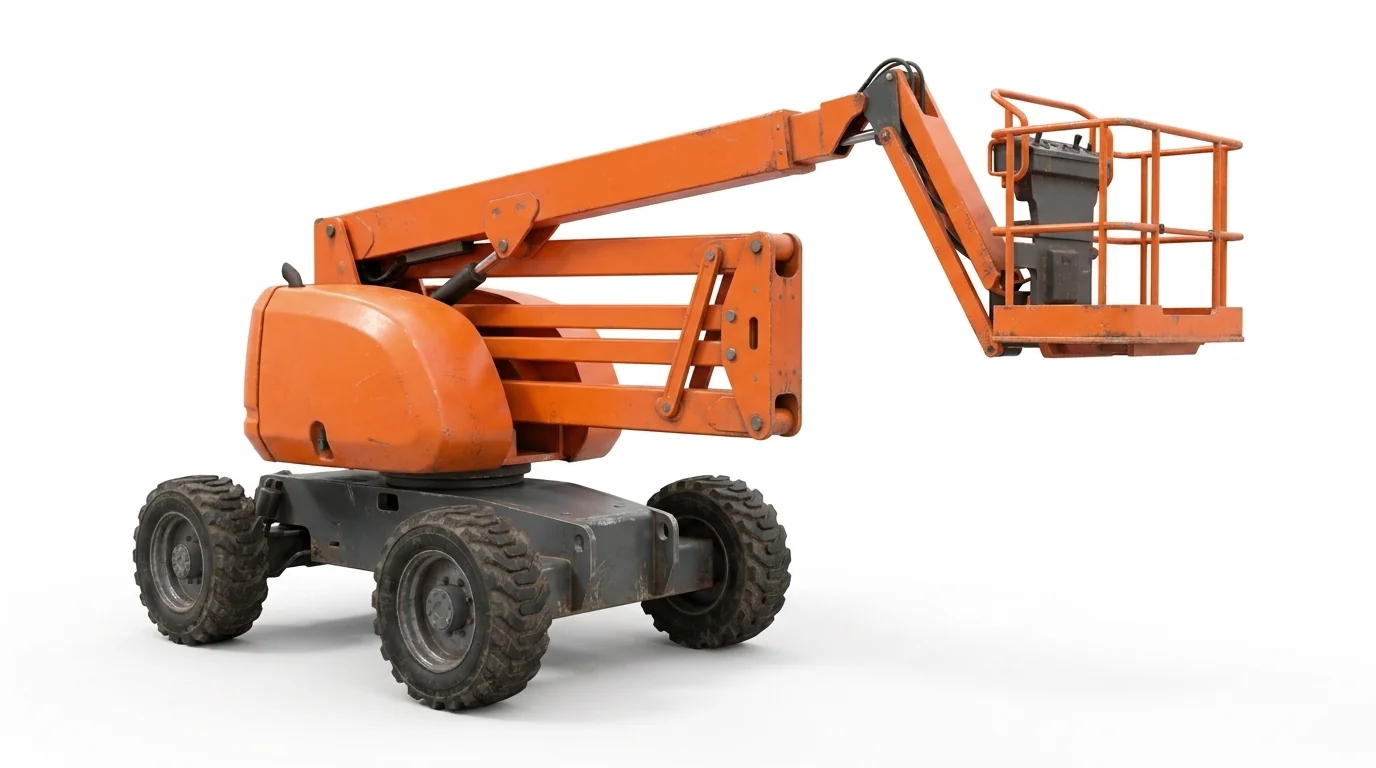
- Articulating booms: multiple joints to snake over obstacles and into courtyards; useful downtown and in constrained service yards
- Telescopic booms: straight sections for longer outreach on open sites like large façades or wide laydown areas
On the city’s western side, rocky slopes and uneven approaches often demand 4WD and higher clearance regardless of boom type. East-side pads and interior courtyards may allow smaller footprints with non-marking tires where surfaces are finished.
Height, outreach, and swing room
Telescopic models need more swing clearance during rotation and extension, which suits open perimeters. Articulating units reach over lower obstacles with tighter tailswing, fitting tighter urban sites. Where neither geometry can place the base close enough, reassess staging or consider alternate access.
Heat and cycle planning
Extended outdoor cycles in summer can increase fluid temperatures and battery demand. Plan work windows and service intervals that align with site procedures to maintain consistent performance.
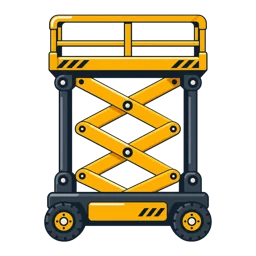
If the work sits directly overhead with no obstacles, a scissor may be simpler. Compare paths at /aerial-lift-rental/ or go to /electric-scissor-lift-rental/ and /rough-terrain-scissor-lift-rental/.
Actual conditions, the selected unit’s instructions, and site procedures govern any elevated work.
Related options
- Vertical-only interior access: /electric-scissor-lift-rental/
- Exterior vertical access on uneven grades: /rough-terrain-scissor-lift-rental/