Surface and tire choice
- Smooth, finished slabs: cushion or non-marking pneumatics minimize floor impact and fit tight aisles.
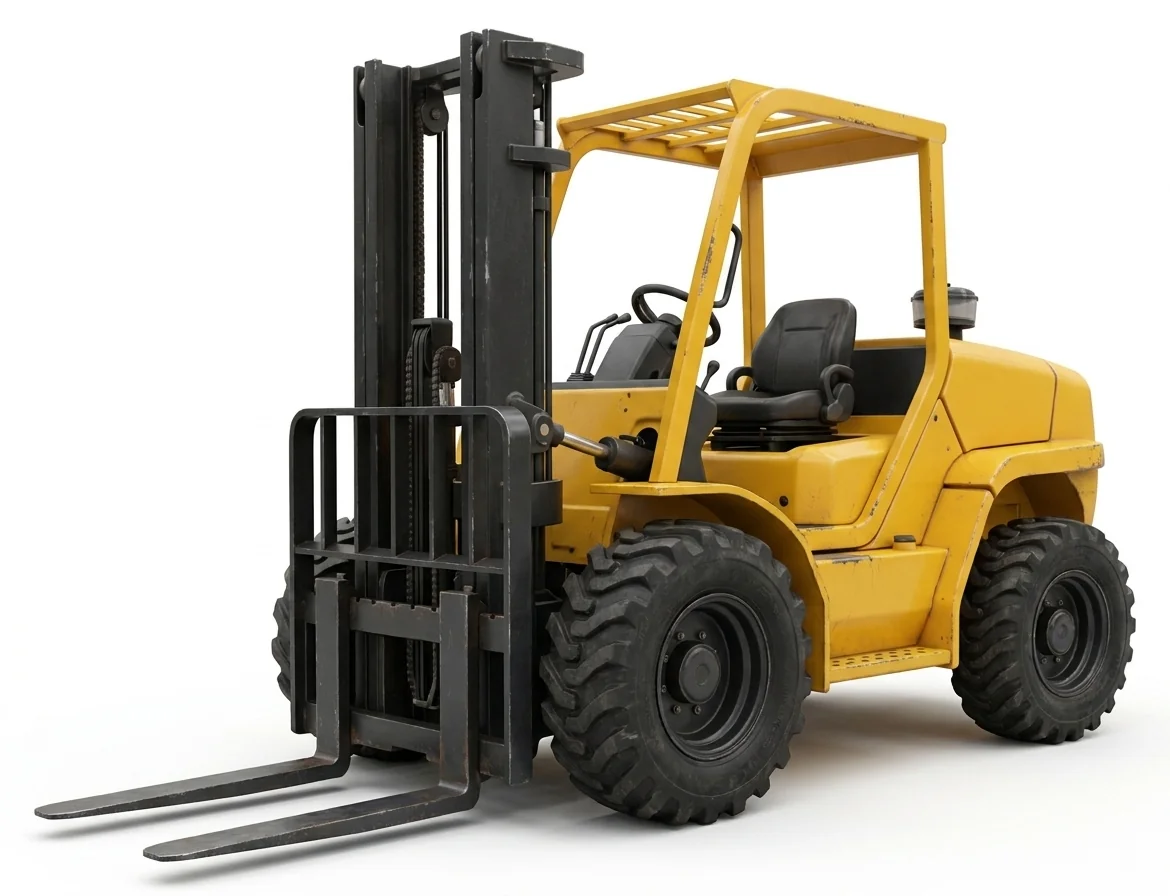
- Mixed surfaces from lot to dock: pneumatic-tire lifts handle expansion joints, thresholds, and minor debris.
- Uneven exterior yards: consider /telehandler-rental/ for better ground clearance and reach if loads must move beyond firm pavement.
Load dimensions and mast clearance
Match mast height to racking and door headers. Tall masts can contact mezzanines or low-hanging MEP. If a load must be placed at height beyond the mast’s free lift, a /boom-lift-rental/ or /telehandler-rental/ may serve the final placement while the forklift stages material.
Austin approach patterns
Downtown shells often require rolling across sidewalk ramps and tight service corridors before hitting an elevator lobby or dock. Industrial sites on the east side typically offer wider aprons but may include long runs over joints and temporary ramps. Measure: - Narrowest doorway and elevator cab (if used) - Aisle width and turning radius at the end of aisles - Ramp grades from truck to dock and dock plate ratings
Power source considerations
Indoor air rules in active facilities push toward electric units. Plan charger access and cycle time around shift changes. For mixed indoor/outdoor moves, LPG can balance refuel speed with emissions limits if allowed by site procedures.
Heat and duty cycles
High summer temperatures affect battery runtime and hydraulic response. Expect shorter intervals between charges on electric units during heavy use.
Information to have when calling (512) 862-9765
- Load weights, sizes, and pallet types
- Aisle width, rack height, and overhead clearances
- Floor type and any exterior segments on the route
- Power preference (electric, LPG) and charging access