Step 1: Task geometry
- Can the machine sit directly below the work, or does it need outreach around obstructions?
- What is the maximum platform height or horizontal reach required?
-
Is the task indoors near finished surfaces or outdoors with variable grades?
-
If the platform can sit under the task on a solid slab, compare /electric-scissor-lift-rental/ and /vertical-mast-lift-rental/.
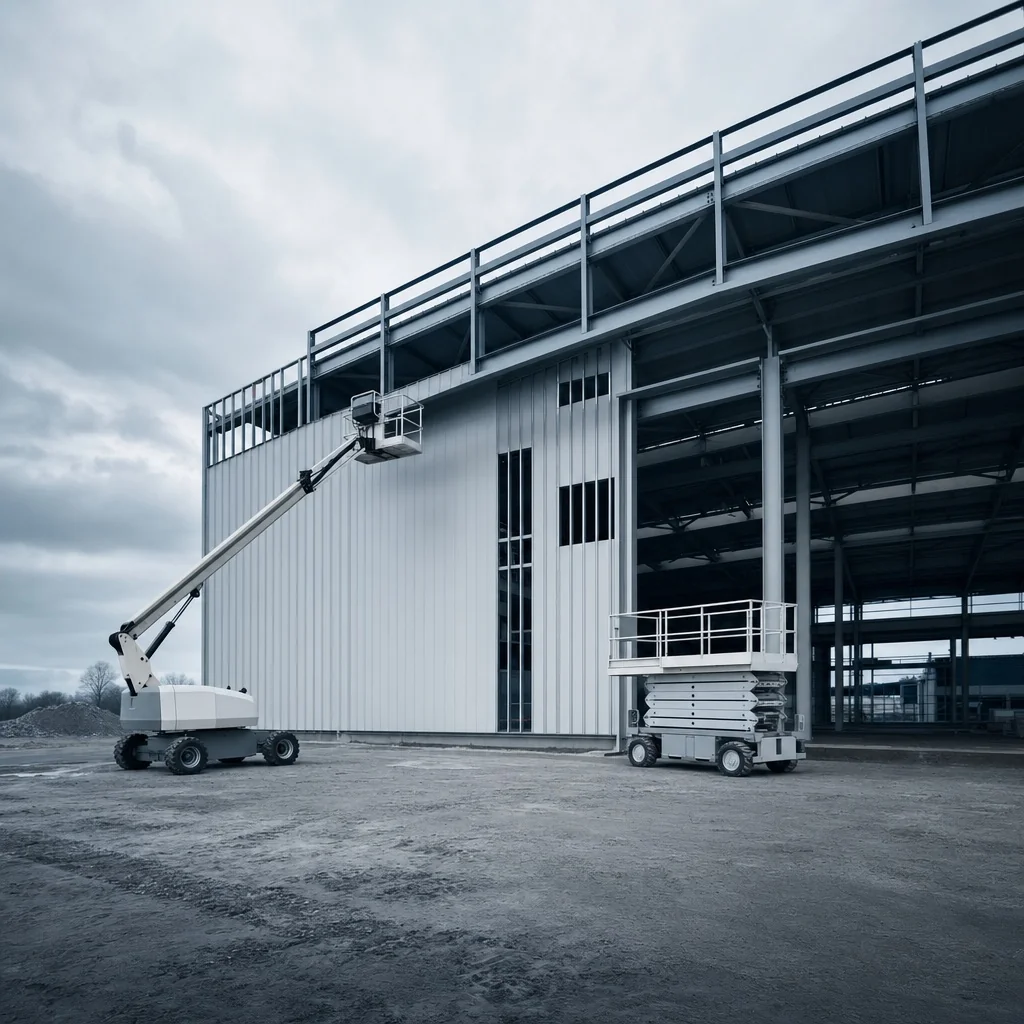
- If the work needs reach over staging or façade lines, see /boom-lift-rental/, /articulating-boom-lift-rental/, and /telescopic-boom-lift-rental/.
Step 2: Surface and route in Austin
- West-side escarpment terrain: uneven, sloped, and often rocky. Machines may require rough-terrain capability and wider approaches. See /rough-terrain-scissor-lift-rental/ and /aerial-lift-rental/ for options.
- East-side clay: generally flatter but compressible after rain. Slab-ready units are efficient, but verify bearing and avoid routes that pump water.
- Downtown access: docks, low clearances, and tight ramps favor compact lifts and smaller site products.
Step 3: Load and duty cycle
- Platform capacity and tool weight determine whether a scissor or boom matches the job. Materials handling beyond platform ratings may call for /telehandler-rental/ or /forklift-rental/.
- Heat affects hydraulic and battery performance. Plan duty cycles and charging or fueling with the regional climate in mind.
Step 4: Supporting site products
- Power and light: /generators-light-towers-rental/ supports night work and remote zones where shore power is limited.
- Secure staging: /storage-containers-rental/ protects parts and finish goods near the work face.
- Controlled perimeters: /temporary-fencing-barricades-rental/ separates lift paths from pedestrians and materials yards.
Austin-specific considerations
- Escarpment-specific access: the transition from hills to plains can occur within a single route. A slab-ready lift may travel smoothly until the last approach, where slope or rock interrupts progress; plan staging with that transition in mind.
- Industrial demand: interior maintenance at large facilities often favors electric scissors and vertical masts for clean floors and long, quiet shifts.
When to reassess the category
- If the route changes from slab to crushed rock mid-project.
- If interior fit-out begins while façade work continues, requiring both compact electrics and rough-terrain units on the same site.
- If extended night shifts are added, requiring power and lighting support to keep approaches clear and tasks visible.
For company details, see /about/ or reach out at /contact/.